

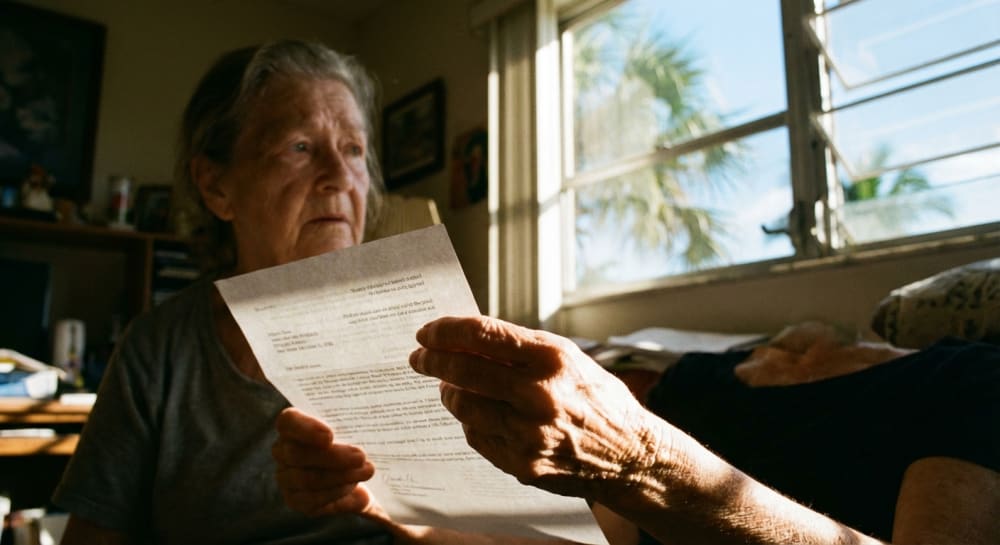
Over 100 families across the Treasure Coast—including vulnerable residents in Vero Beach and Indian River County—are facing the immediate threat of homelessness due to significant policy shifts and funding delays at the federal Department of Housing and Urban Development (HUD). Local shelter directors and housing advocates are warning that these changes could destabilize the region’s most at-risk populations, particularly the elderly and those with disabilities.
Federal Funding Delays Create Local Crisis
Since November, HUD has failed to disburse regular grant payments used to subsidize rents for low-income residents. This delay has left Treasure Coast homeless service providers without the approximately $180,000 per month needed to pay landlords. Consequently, property owners who participate in these affordable housing programs are going unpaid, leading to threats of eviction.
Rayme Nuckles, CEO of the Treasure Coast Homeless Services Council, noted that while they are attempting to negotiate with landlords, many property owners simply cannot afford to accept lower or missing rent payments. The organization currently subsidizes housing for 179 people, but the funding uncertainty is putting these tenancies at risk.
Policy Shift: From “Housing First” to “Treatment First”
Beyond the payment delays, HUD is implementing a controversial structural change to how it addresses homelessness. For decades, the agency operated under a “Housing First” model, which prioritizes stabilizing an individual’s basic housing needs before addressing other issues. New mandates are now reverting to a “Treatment First” approach, which requires individuals to undergo mental health or substance abuse treatment as a prerequisite for receiving housing support—regardless of whether they actually need such services.
Local experts argue this shift ignores data suggesting the “Housing First” model is 88% more effective at keeping people permanently housed.
“The elderly are going to be hit really hard. They’re the people with disabilities and fixed incomes. They’re going to lose housing because their rent isn’t being paid.” — Marty Mercado, Executive Director of the Hope for Families Center in Vero Beach
Impact on Vero Beach and Indian River County
The strain on local resources is already evident. The Hope for Families Center in Vero Beach currently has a six-month wait for available units. Executive Director Marty Mercado predicts this wait time could double to 12 months if HUD does not reverse its current trajectory.
The crisis is compounded by a severe lack of affordable housing options in Indian River County. When the county reopened its Section 8 housing voucher waitlist for a single day in March 2025, it received a staggering 1,175 applications, highlighting the desperate need for assistance in the area.
Drastic Budget Cuts Forecasted
Service providers have also been informed of drastic cuts to the Permanent Supportive Housing program, which serves the formerly homeless and those living paycheck to paycheck.
- In 2025, Homeless Services spent over $3 million on rents for this program.
- For 2026, allowable spending for this program has been slashed to just $900,000.
- Providers are now restricted to spending only 30% of their funds on this critical housing support.
Legal Battles and Future Uncertainty
The National Low Income Housing Coalition and other advocacy groups have filed a lawsuit against HUD, arguing that these “unprecedented restrictions” could push as many as 170,000 people nationwide into homelessness. However, while this litigation moves through the courts, Treasure Coast providers remain in limbo.
With emergency shelters already overburdened—there is currently only one shelter bed for every five homeless individuals in the region—local leaders fear a sharp rise in unsheltered residents if funding is not restored and policies are not adjusted to reflect local realities.