

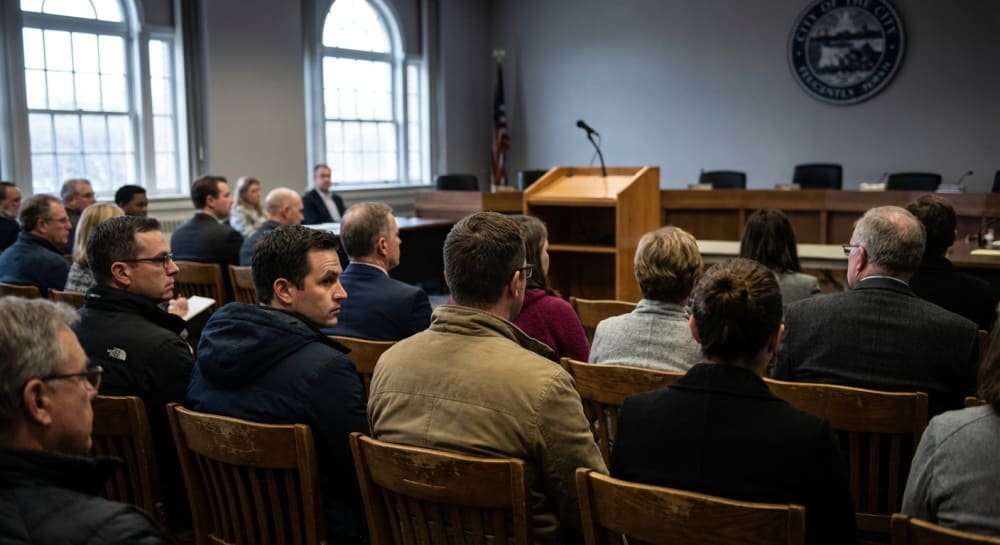
Residents of Sebastian and the surrounding Indian River County area are facing a potential financial paradigm shift that could fundamentally change how local services are funded. In a recent workshop, city officials issued a stark warning regarding a looming $4.7 million budget deficit that may arise if the state of Florida moves forward with legislation to eliminate or drastically cap property taxes.
City Manager Brian Benton presented what he described as a “sobering” roadmap to the City Council and residents. The potential loss represents approximately 24 percent of the city’s general fund—the primary account used to finance essential services such as police protection, parks, and road maintenance.
The End of Free Amenities?
For decades, Sebastian residents have enjoyed access to various amenities at no direct cost, a perk that may soon disappear. Benton highlighted that if the general fund is slashed, the city will be forced to implement new user fees to bridge the gap.
One significant change could affect the boating community. While grant stipulations prevent the city from charging a boat launch fee at certain ramps, officials are considering a workaround: a “trailer parking fee.”
Families involved in youth athletics could also see their costs rise. Currently, organizations such as Little League, Pop Warner football, and cheerleading utilize city fields for free, which helps keep registration fees affordable.
“If this were to occur, it would be one of the first things we’d examine. Those fees [for residents] have now gone up because the city is going to have to charge a user fee for using those fields over each of the seasons.” — Brian Benton, City Manager
Impact on Renters and Local Businesses
While the elimination of property taxes might initially sound beneficial for homeowners, Benton cautioned that the financial burden would likely shift to those least able to absorb it. To recoup lost revenue, the city may be forced to raise taxes on non-homestead properties, including commercial buildings and rental units.
Benton noted that these costs rarely stay with the property owner. Landlords and commercial property owners typically pass tax hikes down to tenants and customers. This is a particular concern for the local rental market, where many units currently qualify as affordable or attainable housing.
Special Assessments and Workforce Reductions
The city is also exploring the implementation of “special assessments” to maintain infrastructure. Unlike general property taxes, these assessments would be district-specific. For example, residents might be charged directly for road paving or street lighting, but only if those specific improvements are performed in their neighborhood.
Furthermore, with a $4.7 million shortfall, administrative and operational cuts appear unavoidable. Benton admitted that the deficit cannot be managed without impacting the city’s workforce. Potential measures include:
Regarding public safety, Benton clarified that while the city recently entered a new union contract with the police department, a hard funding cap would eventually squeeze resources. While police services would not be cut, funding might not increase, forcing other departments to take deeper cuts to protect public safety budgets.
Why the Warning is Happening Now
The timing of this workshop was intentional and driven by strict state regulations. City staff are statutorily prohibited from spending public funds to advocate for or against a referendum once it is officially placed on the ballot.
Officials utilized this window to present the facts regarding the trade-offs between taxes and service levels before the issue goes to a vote. As the situation develops, residents throughout Indian River County are encouraged to stay informed on how these potential state-level changes could impact their local quality of life.