
Florida is preparing to carry out its 18th execution of the year this Tuesday. William Reaves Jr., 77, is scheduled to face lethal injection for the 1986 murder of Indian River County Deputy Richard Raczkowski, a tragedy that deeply shook the Vero Beach community nearly four decades ago.
The execution is scheduled to begin at 6 p.m. at Florida State Prison near Starke. Reaves will become the state’s eighth prisoner over the age of 70 to be executed this year, highlighting the increasingly aging population on the nation’s death row.
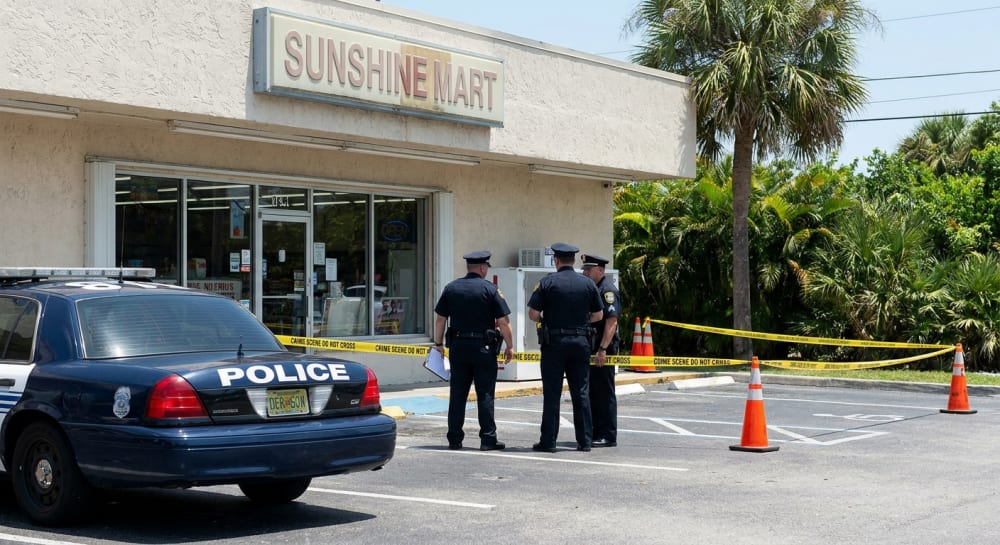
According to court records, the fatal encounter began in September 1986 when Deputy Raczkowski responded to a 911 call at a Vero Beach convenience store—a call Reaves later admitted to making from a payphone outside the business.
While the deputy and Reaves were speaking, a gun fell out of Reaves’s shorts. A struggle for the firearm ensued, and Reaves ultimately gained control of the weapon. Investigators determined that as Deputy Raczkowski attempted to retreat, Reaves shot him four times. The deputy later succumbed to his extensive wounds.
The legal journey following the Vero Beach shooting has been lengthy and complex. Reaves was initially convicted and sentenced to death approximately a year after the murder. However, the Florida Supreme Court overturned that conviction, citing a conflict of interest involving the prosecutor, and ordered a new trial. A second trial in 1992 resulted in another first-degree murder conviction and a reinstated death sentence.
As the execution date rapidly approaches, Reaves’s defense team has exhausted numerous legal avenues. Last week, the Florida Supreme Court rejected his final state appeals. The defense’s arguments primarily focused on two critical areas:
- Lethal Injection Concerns: Attorneys challenged Florida’s specific three-drug lethal injection protocol—which utilizes a sedative, a paralytic, and a medication to stop the heart. The state court upheld the method, noting it has consistently survived similar legal challenges.
- Military Service and PTSD: The defense argued that the jury recommending the death penalty was never informed of Reaves’s military background. The U.S. Department of Veterans Affairs had previously rated Reaves, an Army veteran, as 100% disabled due to post-traumatic stress disorder stemming from his service in the Vietnam War.
In a final push for clemency, more than 100 veterans drafted and sent a letter to Governor Ron DeSantis on Monday, pleading for him to halt the execution based on Reaves’s psychological trauma from his military service. Meanwhile, final emergency appeals remain pending before the U.S. Supreme Court.
This upcoming execution is part of a broader trend under Governor DeSantis’s administration, which has prioritized bringing closure to the families of victims who have waited decades for justice. If Tuesday’s execution and another scheduled for early November are carried out, Florida will tie its own state record of 19 executions in a single year, matching the historic pace set just last year.