
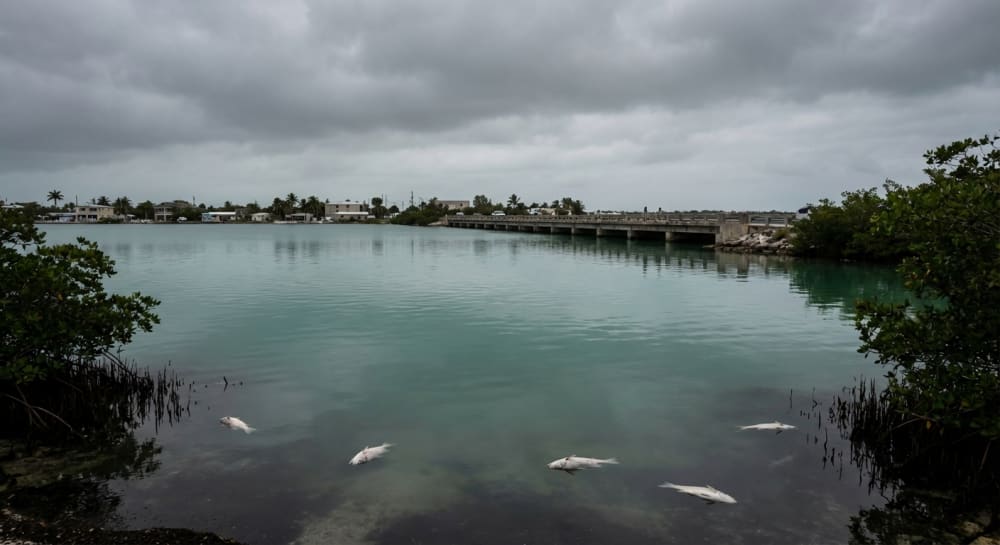
Recent weather patterns across the Treasure Coast have resulted in a significant environmental event within the Indian River Lagoon. Following a sharp drop in temperatures, local anglers, charter captains, and environmental officials are reporting a mass die-off of marine life, commonly referred to as a “fish kill,” specifically impacting the waters off Vero Beach and near the Wabasso Bridge.
According to observations from local fishing captains, the water temperature in the lagoon plummeted to approximately 52 degrees Fahrenheit earlier this week. These frigid conditions are dangerous for subtropical species, causing them to become lethargic and, in many cases, leading to death. While the water temperatures off Sebastian ranged between 51 and 62 degrees, the sustained cold has taken a toll on the ecosystem.
Local captains reported spotting thousands of dead baitfish alongside dozens of dead snook and tarpon, with the impact appearing more severe further north along the coast.
Impact on Local Game Fish
The die-off is not limited to smaller baitfish like glass minnows, pilchards, and ladyfish. The Florida Fish and Wildlife Conservation Commission (FWC) confirmed receiving reports of extensive kills involving prized game fish. Captains in Vero Beach documented seeing up to 60 dead snook—some of them large breeding stock—and several tarpon.
Other species identified in the reports to the FWC include:
Eyewitnesses noted that before succumbing to the cold, many fish were seen huddling near the surface for warmth or moving sluggishly, making them easy targets for predators such as dolphins.
Potential Regulatory Changes
The severity of this event has prompted calls for immediate conservation efforts. Local fishing experts are urging the FWC to suspend the current snook season for the Indian River Lagoon and the northeast coast of Florida. The season, which just opened on February 1 and is scheduled to remain open until May 31, could place additional stress on a population already devastated by the freeze.
How to Help
Residents and visitors in Indian River County can assist state researchers by reporting locations of fish kills. This data helps the FWC track the extent of the damage and manage the lagoon’s recovery.
To report a fish kill: