

Local Traffic Safety Alert: Seasonal Population Surge Linked to Increased Accident Rates in Vero Beach
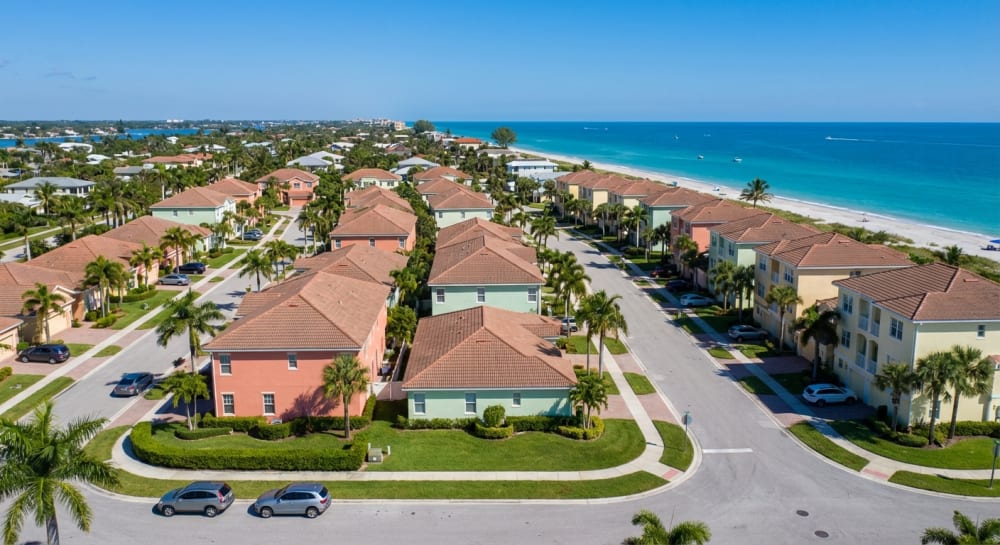
Vero Beach is currently experiencing its annual seasonal transformation, a period stretching from late fall through early spring when the local population swells significantly. While the influx of seasonal residents, snowbirds, and vacationers provides a vital boost to the local economy and tourism sectors, it brings a concurrent challenge to Indian River County: a marked increase in traffic congestion and roadway collisions.
According to recent reports regarding local traffic data, the shift in population density is directly linked to rising accident rates on Vero Beach roadways. Unlike sprawling metropolitan areas, Vero Beach hosts residential neighborhoods, tourist hotspots, and major commercial corridors within a compact geographic footprint. When the seasonal population peaks, infrastructure designed primarily for moderate local use faces sudden, high-volume pressure.
The Dynamics of Seasonal Driving
The primary driver of this uptick in accidents is not just the volume of cars, but the mix of driving behaviors. The roadways during peak season become a melting pot of motorists with varying levels of familiarity with the area.
Vero Beach combines residential neighborhoods, tourist destinations, and major travel corridors within a relatively compact area. As traffic volume rises during tourist season, roads designed primarily for local use must suddenly accommodate a wide range of unfamiliar drivers.
Legal and safety experts have observed that seasonal residents and short-term visitors often rely heavily on navigation applications to get around. This dependence can lead to erratic driving behaviors, including:
Furthermore, visitors arriving from different states bring diverse driving habits and may not be accustomed to Florida-specific traffic laws or roadway designs. This disparity in driving expectations between long-time locals and temporary residents creates a friction that often results in collisions.
Common Collision Types During “Snowbird Season”
Data suggests that specific types of traffic incidents become more prevalent during these months. Rear-end collisions are among the most frequent, often occurring in congested zones near shopping centers, beach access points, and major intersections. These are frequently attributed to distracted driving or sudden braking in heavy traffic.
Intersection accidents also see a rise, often caused by drivers misjudging traffic signals or failing to yield right-of-way due to unfamiliarity with the intersection’s layout. Additionally, with the pleasant weather attracting more people outdoors, there is a heightened risk involving pedestrians and cyclists, particularly in coastal and commercial districts where foot traffic is heaviest.
Complexities in Post-Accident Recovery
The surge in accidents also complicates the aftermath for those involved. Collisions involving out-of-state drivers or rental vehicles introduce layers of complexity regarding insurance claims. Differences in policy coverage, jurisdictional rules, and liability limits can make resolving these accidents more difficult than standard local fender-benders.
Local legal professionals, including attorneys from firms such as Lyons Snyder who monitor these regional trends, note that insurance companies often face a higher volume of claims during this period. This can lead to aggressive claim evaluations and delays. For residents injured in these crashes, the financial impact—ranging from medical expenses to lost income—can be significant, necessitating a clear understanding of one’s legal rights.
Community Awareness and Prevention
As Vero Beach continues to grow as a premier seasonal destination, the correlation between population surges and traffic risks is expected to persist. Local safety advocates emphasize the importance of defensive driving during these peak months. Residents are encouraged to exercise extra patience, remain vigilant near tourist-heavy areas, and anticipate sudden maneuvers from vehicles with out-of-state plates.
By recognizing the unique traffic dynamics of the season, the Vero Beach community can better navigate the roads and work toward reducing the risks associated with this busy time of year.