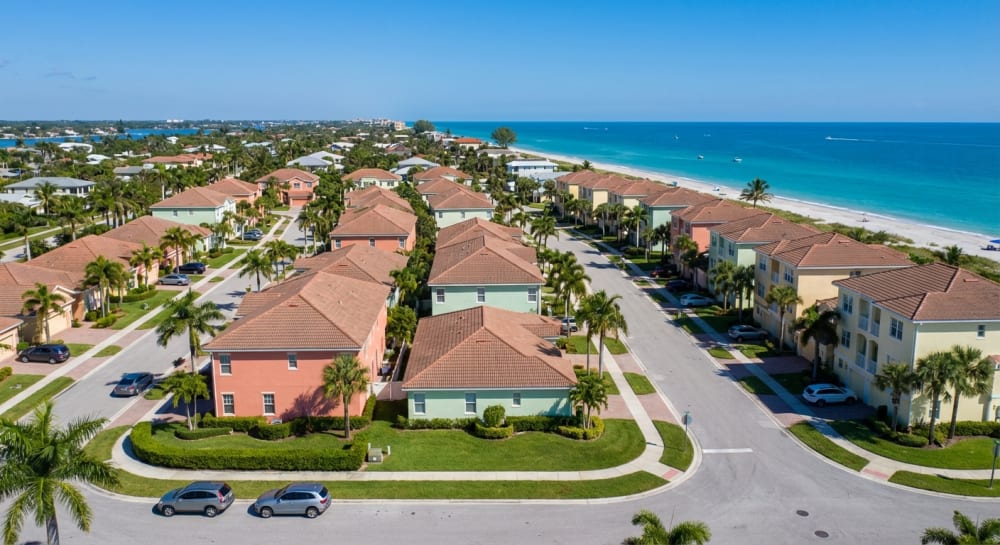


The health of the Indian River Lagoon is paramount to the vibrant lifestyle and ecological wellbeing of Vero Beach and the greater Treasure Coast. In a monumental move to protect these cherished local waterways, the Vero Beach City Council has cast a unanimous vote to expand critical septic-to-sewer conversions into unincorporated areas of Indian River County. This proactive measure targets the harmful nitrogen runoff that threatens our local marine life, prioritizing the preservation of our coastal environment for future generations.
To achieve this massive infrastructure upgrade, the city is deploying the innovative Septic Tank Effluent Pump system, commonly referred to as the STEP system. This technology is specifically designed to intercept waste from county septic tanks before it can leach into the groundwater.
The STEP system channels effluent directly to the city’s wastewater treatment plant using small bore pipes, which cost less than half the price of traditional gravity sewers and avoid the destruction of neighborhood streets or the roots of the barrier island’s iconic oak trees.
Nitrogen and other chemicals from aging septic systems have long been identified as primary catalysts for destructive algae blooms in the lagoon. These blooms decimate vital seagrass beds and lead to tragic fish kills, directly impacting the health of local marine mammals like dolphins and West Indian manatees. By prioritizing areas known as basins—which are in close proximity to surface waters connected to city watersheds—Vero Beach is taking a direct approach to environmental conservation.
The city’s expansion strategy includes several key focus areas:
- Mainland Basins: Neighborhoods such as Basin 10, located north of Route 60 and west of 43rd Avenue, which directly adjoins the main relief canal flowing into the lagoon. Construction in the low-lying Vero Beach Country Club neighborhood is also kicking off immediately to address its proximity to the relief canal.
- Barrier Island Basins: Numerous small oceanfront basins located both north and south of the city limits, ensuring the coastal shorelines are equally protected.
Understanding that upgrading local infrastructure comes with a cost, local officials and community organizations are stepping up to help homeowners. The installation of a STEP system typically ranges between $12,000 and $15,000. To ease this financial burden, residents in the designated basins will be eligible for up to $3,390 in credits from the city toward the purchase and installation of their new system. Once notified by the city, homeowners will have a 12-month window to apply for these credits.
Furthermore, the Clean Water Coalition of Indian River County is offering substantial financial assistance to help residents stay in their homes without bearing crippling costs. The Coalition has already secured grant funding for numerous low-income households. Notably, the income threshold to qualify for this assistance is highly accommodating for working-class neighborhoods, defined as four times the federal poverty rate, which equates to an annual income of up to $132,000 for a family of four.
Vero Beach Water and Sewer Director Rob Bolton has outlined an aggressive and optimistic timeline for this project. The build-out for the public plumbing connections to the mainland basins is anticipated to be completed by the end of this year, with the barrier island basins following closely behind with a target completion date by the end of 2027.
This initiative is more than just a public works project; it is a community-wide commitment to restoring the pristine nature of the Indian River Lagoon. Through collaborative efforts and financial support programming, Vero Beach is paving the way to bring this vibrant, thriving local ecosystem back to life.