

Indian River County residents noticing an uptick in mosquito activity this year can trace the issue back to administrative turmoil and staffing shortages at the local control agency. However, sweeping leadership changes aim to get the Indian River County Mosquito Control District back on track and better protect the barrier island and mainland communities.
Following a period of intense contract negotiations and the resignation of a key commissioner, two new faces are joining the district’s leadership to stabilize this vital community service.
Gubernatorial Appointment and New Executive Director
Gov. Ron DeSantis appointed Tom Lowther on May 8 to fill the seat left vacant by the February 6 resignation of Commissioner Matt Erpenbeck. Lowther, a fourth-generation county resident and local business owner, returns to the board having previously served from 2014 to 2022. He also brings experience from his tenure as an Indian River County commissioner from 2002 to 2006.
On May 26, Isik Unlu will officially take the helm as the new executive director, replacing Sherry Burroughs. Chosen from a competitive pool of 31 applicants by remaining commissioners Janice Broda and Anna Kirkland, Unlu brings highly specialized experience from her previous role as a Research Entomologist at St. Tammany Parish Mosquito Abatement in Louisiana.
Key Details of the New Director’s Contract:
- A two-year agreement with an annual salary of $165,000.
- A 90-day introductory period allowing the district to terminate employment without notice or severance.
- Up to $10,000 provided for relocation expenses to Indian River County.
Administrative Turmoil and Environmental Impact
The leadership shakeup follows months of internal strife regarding the renewal of former director Sherry Burroughs’ contract. Commissioners Broda and Kirkland sought to renegotiate her five-year agreement down to a two-year term with reduced severance pay, citing high employee turnover, transparency concerns, and a departure from tenured staffing norms. The stalemate ultimately led to Burroughs’ departure, with the district paying out a $45,067.65 severance package.
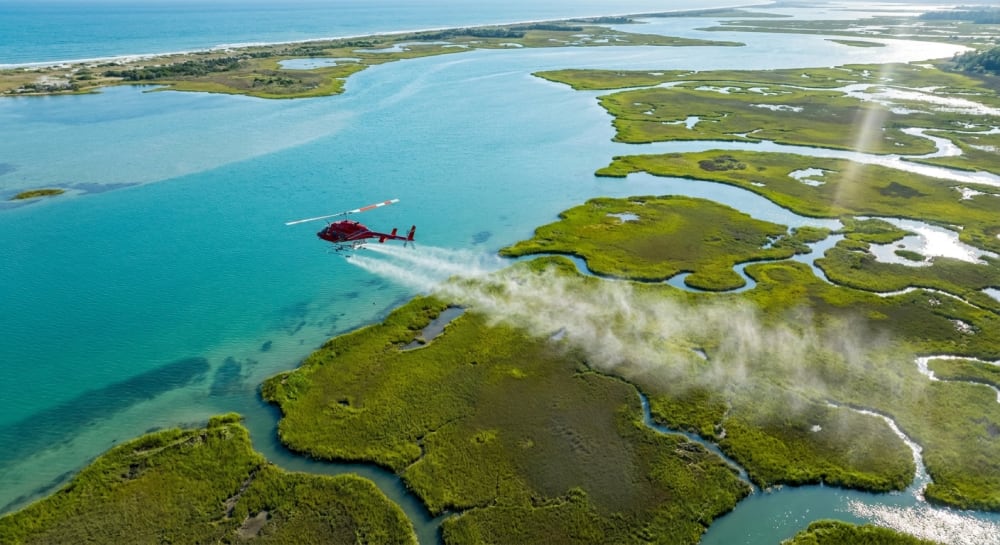
The administrative disruption had tangible environmental consequences for the region. Due to critical staffing shortages, the district struggled to proactively treat mosquito larvae in local salt marshes, leading to an explosion of pests that migrated as far inland as Fellsmere.
Because of the manpower gap in treating larvae, the district was forced to rely more heavily on adulticides—chemicals used to target mature mosquitoes. Local officials noted that these aerated chemicals carry a higher risk of drifting into the Indian River Lagoon, potentially harming sensitive marine plants and wildlife.
Looking Ahead for Local Mosquito Control
Funded by property taxes, the Indian River County Mosquito Control District operates on an $11.9 million budget and relies on a staff of approximately 35 employees to manage the 40 to 50 mosquito species native to the area. While three crucial field positions remain open, the current staff has stepped up to stabilize the district’s daily operations.
Local leaders are optimistic that the newly appointed leadership will restore operational efficiency. Both Lowther and Kirkland have expressed a commitment to moving past the recent political friction, prioritizing the district’s century-old mission of protecting public health and ensuring outdoor activities across Vero Beach and the wider Treasure Coast remain safe and enjoyable.