

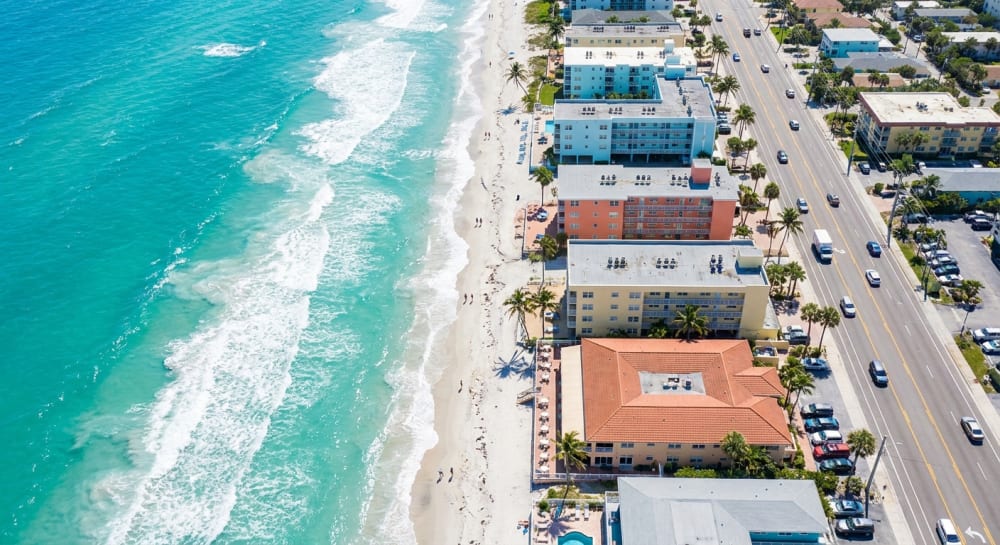
If you love the sun-kissed shores of Vero Beach, a recent comprehensive study by Indian River County brings a sobering reality check. According to a newly released draft of the county’s Beach Preservation Plan Update, nearly 90 percent of the local barrier island shoreline is now classified as critically eroded. This marks the first systematic, scientific analysis of the entire 22-mile Indian River County coastline, providing vital insights for local real estate owners, tourism professionals, and lifestyle enthusiasts.
Compiled by Taylor Engineering, the 130-page report evaluates erosion trends, storm modeling, and how close upland development sits to the dune line. The findings highlight that an astonishing 86 percent of the shoreline requires active management to protect upland development, recreational interests, and critical wildlife habitats.
The most heavily impacted area is Sector 5, a three-mile stretch extending from Surf Lane in Indian River Shores to the middle of the Riomar Country Club golf course. This highly trafficked area includes Central Beach, home to Vero Beach’s ultra-luxury homes, oceanfront condominiums, and a vibrant hospitality district. Sector 5 received the highest flood and storm damage risk score of 41. In this zone, the average buffer between local infrastructure and the mean high-water line has shrunk to just 150 feet.
The Beach Preservation Plan points to a challenging convergence of elements in Central Beach: persistent erosion, high-value real estate infrastructure, and limited physical space, leaving a very narrow margin for error as the ocean edges approximately one foot closer to State Road A1A every two and a half years.
For residents and visitors who frequent iconic local dining and recreation spots, the stakes are incredibly high. Without continued shoreline management, beloved coastal landmarks such as Ocean Grill, Waldo’s Restaurant, and Mulligan’s Beach House face significant long-term proximity threats. The economic impact is equally substantial. Beaches in Indian River County generate approximately $248 million annually and support nearly 9,000 jobs tied to tourism and coastal activity. Protecting this sand is essential to preserving the economic engine of the immediate Treasure Coast.
Fortunately, nature is providing some relief to other parts of the island. Sector 6, stretching from the Riomar golf course to just south of the city limits, is actually gaining sand. Bordered by South Beach Park and Castaway Cove, this shallow bay catches sand flowing south with prevailing currents, resulting in a beach that grew by 31 feet in width between 2019 and 2024. Unsurprisingly, this area tied for the lowest risk score in the county report.
Indian River County officials are not sitting idly by. Coastal Resource Manager Quintin Bergman and the Beach Program team are actively utilizing this new risk-analysis matrix to direct shoreline management efforts. The county’s historical strategy of targeted sand nourishment, dune restoration, and sediment bypassing remains the most effective, practical approach. These efforts stabilize the shoreline with minimal disruption to the delicate nearshore reef systems.
While small-scale renourishment is the current norm, the county is exploring a variety of long-term strategies to combat projected sea-level rises of 8 to 18 inches by 2050, as estimated by the National Oceanic and Atmospheric Administration. Ongoing and potential future actions include:
- Continuing dedicated investment in targeted sand placement and dune vegetation management.
- Evaluating larger-scale, complex nourishment projects with wider beach berms, carefully balanced against the need to protect offshore resources.
- Coordinating regional sediment management to maintain the natural flow of sand around the Sebastian Inlet.
- Conducting permit-required monitoring for shorebird nesting, sea turtle habitats, and offshore sand movement.
Change along the Vero Beach shoreline may seem incremental to the casual beachgoer enjoying a sunny afternoon at Humiston Park, but dynamic shifts are happening with every tide. Through vigilant monitoring and dedicated preservation efforts, Indian River County continues to actively manage these risks, aiming to safeguard the breathtaking coastline that makes our community a premier Florida destination.