

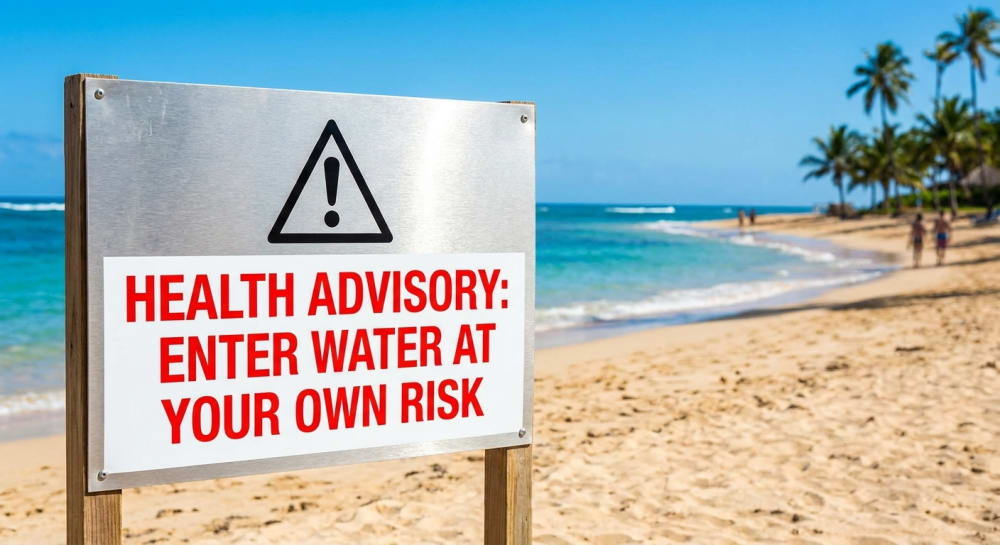
As summer approaches on the Treasure Coast and our coastal waters begin to warm, Florida health officials are issuing a stark reminder to beachgoers, boaters, and seafood lovers alike. The season for Vibrio vulnificus, a severe bacterial infection often colloquially referred to as “flesh-eating” bacteria, is officially ramping up. With cases already surpassing last year’s early numbers, residents of Vero Beach and surrounding areas need to be aware of the risks associated with our local estuaries and seafood.
According to the Florida Department of Health, the most active season for this waterborne and food-borne pathogen spans from June to September. Already, five cases have been recorded this year across the state, including an infection in neighboring Palm Beach County. Additional cases have surfaced in Miami-Dade, Hillsborough, Lee, and St. Johns counties, signaling a faster spread compared to the same timeframe in previous years.
Understanding the Threat in Florida Waters
While commonly dubbed “flesh-eating,” the bacteria’s scientific name, Vibrio vulnificus, translates from Latin as “wound-causing.” It thrives in warm, brackish waters—environments very similar to the Indian River Lagoon and local coastal inlets.
More than 150 V. vulnificus infections are reported to the U.S. Centers for Disease Control and Prevention every year, and approximately 20% of these are fatal.
Anthony Ouellette, a professor of biology and chemistry at Jacksonville University, explained the biological mechanisms of the bacteria. Once inside the body, the bacteria aggressively break down red blood cells to extract iron. They utilize specific enzymes to destroy elastin and collagen in soft tissues, essentially feeding off the host’s proteins and amino acids. Additionally, the bacteria possess a protective carbohydrate capsule that helps them evade the human immune system.
Individuals with compromised immune systems, diabetes, kidney disease, and liver disorders are at a significantly higher risk for severe, life-threatening complications from the infection.
The Impact of Hurricanes and Warming Seas
Florida’s active hurricane seasons play a major role in the spread of this dangerous bacterium. Heavy flooding, storm surges, and salinity changes create perfect breeding grounds for the pathogen. In recent years, catastrophic storms like Hurricane Ian, Hurricane Milton, and Hurricane Helene pushed case numbers to record-breaking highs, resulting in dozens of tragic fatalities across the state.
Furthermore, medical experts from the University of Florida note that the geographic range and abundance of Vibrio vulnificus are projected to increase. Factors such as rising ocean temperatures, climate change, and persistent algal blooms mean that Treasure Coast residents must remain vigilant year-round, especially after major weather events.
How to Protect Yourself and Your Family
Despite the alarming nature of the infection, prevention is highly effective. Most infections are contracted through consuming undercooked shellfish or exposing open cuts to contaminated water. To ensure a safe summer in Vero Beach, the state health department recommends the following strict guidelines:
- Avoid raw shellfish: Completely bypass raw oysters and other uncooked shellfish, especially if you fall into a high-risk health category.
- Cook seafood thoroughly: Boil shellfish for more than five minutes, or steam them for nine minutes after the shells open. Discard any shells that do not open during the cooking process.
- Prevent cross-contamination: Never allow the juices from raw seafood to mix with other foods in your kitchen or cooler.
- Protect open wounds: Stay out of warm salt or brackish water if you have fresh cuts, scrapes, or lacerations.
- Wear protective gear: Always use heavy-duty gloves when handling, shucking, or cleaning uncooked shellfish.
Enjoying the pristine beaches and world-class fishing of Indian River County is a beloved part of our local lifestyle. By staying informed about environmental changes and practicing basic food and water safety, residents can continue to safely enjoy all that the Treasure Coast has to offer.