

For residents living in the Town of Indian River Shores and the unincorporated South Barrier Island, a newly signed state law is offering a beacon of hope in a long-standing utility dispute. The recent passage of Florida House Bill 1451 represents a significant step forward in protecting outside-the-city utility customers who have historically had no voting power over the municipal councils setting their rates.
Currently, a large portion of Indian River Shores and the neighboring barrier island communities receive their water and sewer services from Vero Beach Utilities. Because these residents live outside the Vero Beach city limits, they cannot vote in city elections, leaving them with no direct representation regarding the rates, fees, and surcharges imposed on their utility bills. Unlike investor-owned utilities such as Florida Power & Light, which are heavily regulated by the Florida Public Service Commission, municipal-owned utilities have traditionally been self-regulating.
Florida House Bill 1451 introduces a new regulatory framework for municipal utilities, mandating increased transparency, eliminating arbitrary outside-city surcharges, and requiring mandatory annual public input meetings for affected non-resident ratepayers.
A Long-Fought Battle for Fair Rates
The relationship between Indian River Shores and Vero Beach Utilities has been famously contentious. The Town previously took Vero Beach to state court over breach of contract—and to federal court over antitrust concerns—arguing that their utility rates were excessively high. The root of the frustration stems from a 2012 franchise agreement where Vero Beach promised to match the rates of Indian River County Utilities. However, after a judge ruled that Vero had not breached the contract, the city continued to raise rates well above the county average.
Indian River Shores officials are now viewing the new legislation as a foundational victory. Town Attorney Pete Sweeney described the bill as a new regulatory scheme that demands essential transparency. Mayor Brian Foley echoed this sentiment, noting that the new measure provides the Town with stronger legal footing as they prepare to renegotiate their franchise agreement.
Key Changes Under the New Law
According to local leaders, the legislation introduces several critical protections for consumers outside municipal boundaries:
- Equalized Rate Criteria: Utility rates must now be set using the exact same criteria applied to the providing utility’s internal city customers.
- Elimination of Surcharges: Vero Beach previously tacked on a 10 percent surcharge for outside-city addresses. While that specific fee was ended after years of complaints, the new law officially prohibits new surcharges and mandates that any remaining legacy surcharges be phased out by July 1, 2029, or when the underlying debt expires.
- Mandatory Public Engagement: Municipal providers must now appoint a representative to host an annual customer meeting in conjunction with the governing bodies of the outside municipalities they serve, ensuring a dedicated forum for public input on rates and services.
Financial Hurdles and Future Infrastructure
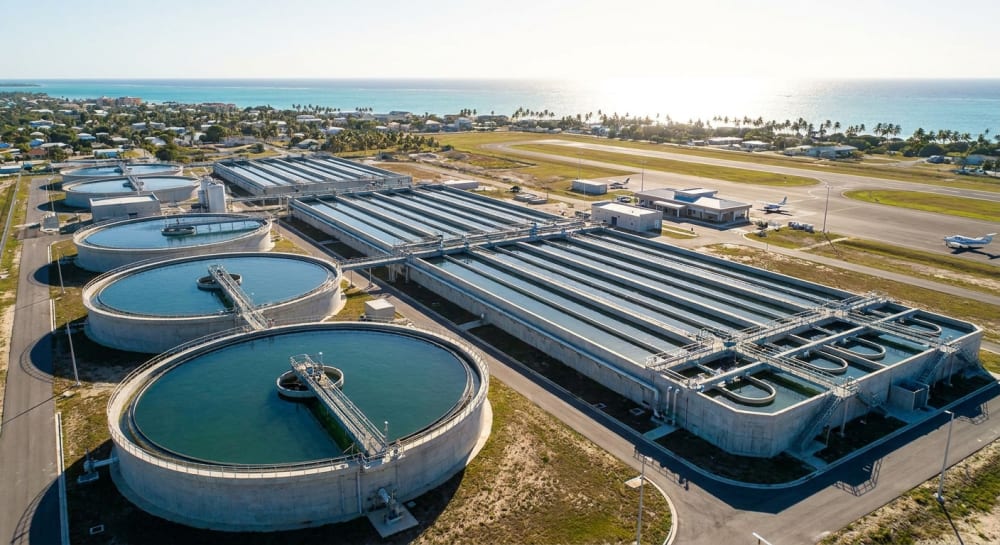
Despite these legislative wins, financial concerns loom large for ratepayers. Vero Beach water-sewer customers are currently facing an estimated 47 percent rate increase between now and 2030. This spike is necessary to fund the construction of Vero’s new One Water Campus treatment plant near the local airport.
The price disparity between the city and the county is stark. Currently, Indian River County Utilities charges $67.70 for 4,000 gallons of residential water and sewer service. In contrast, Vero’s proposed rate for the same usage next year is $94.92, with projections showing the monthly bill climbing to $122.45 by 2030.
Former Shores Vice Mayor Michael Ochsner expressed his frustration during a recent Finance Committee meeting, noting the irony that Shores residents spent significant municipal funds attempting to separate from Vero Beach utilities, only to remain tethered to the system and financially responsible for a new treatment plant they do not want to fund.
Vero Beach Defends Its Position
On the other side of the municipal border, Vero Beach Mayor John Cotugno has firmly maintained that the city is abiding by all current laws. The city regularly transfers 6 percent of its utility revenues into its general fund—a practice used to cover non-utility operations like City Hall expenses. As the owner of the utility, Vero Beach argues it is legally entitled to this rate of return.
In a proactive move to protect this revenue stream from future state legislative crackdowns, the Vero Beach City Council recently directed staff to draft a formal policy memorializing these general fund transfers, effectively attempting to grandfather in the long-standing practice.
Looking Ahead to 2042
While House Bill 1451 is being celebrated as a vital first step for consumer protection, the ultimate resolution for Indian River Shores may take another two decades. The Town’s current franchise agreement with Vero Beach does not expire until 2042. To officially leave the Vero system and hook up to Indian River County Utilities, the Town must provide official notice by October 2037. Until then, local leaders are hopeful that this new state-level regulatory cornerstone will pave the way for even more equitable utility policies across the Treasure Coast.