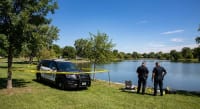


For many residents and visitors across the Treasure Coast, the boating lifestyle is a major regional draw. However, recent regulatory changes in St. Lucie County and Fort Pierce are creating a noticeable ripple effect across local waterways. The Florida Fish and Wildlife Conservation Commission (FWC) has recently initiated a crackdown on the growing number of vessels anchoring near Wildcat Cove, a protected area located just off North Hutchinson Island across from the Stan Blum Boat Ramp.
The sudden influx of boats to Wildcat Cove is a direct result of new vessel-anchoring restrictions implemented this past June. St. Lucie County and the city of Fort Pierce officially established Anchoring Limitation Areas (ALA) within the Fort Pierce Inlet. The primary goal of these regulations was to manage marine traffic and reduce the number of abandoned or derelict boats impacting the local environment. Under these strict new rules, vessels are prohibited from anchoring for more than 45 consecutive days within a six-month period without vacating the area for at least 24 hours. The newly restricted zones include:
- From the Fort Pierce port mainland east to the Coast Guard station
- The waters entirely surrounding Wesley’s Island in the inlet
- Along South Causeway Beach extending nearly to the Fort Pierce Inlet State Park
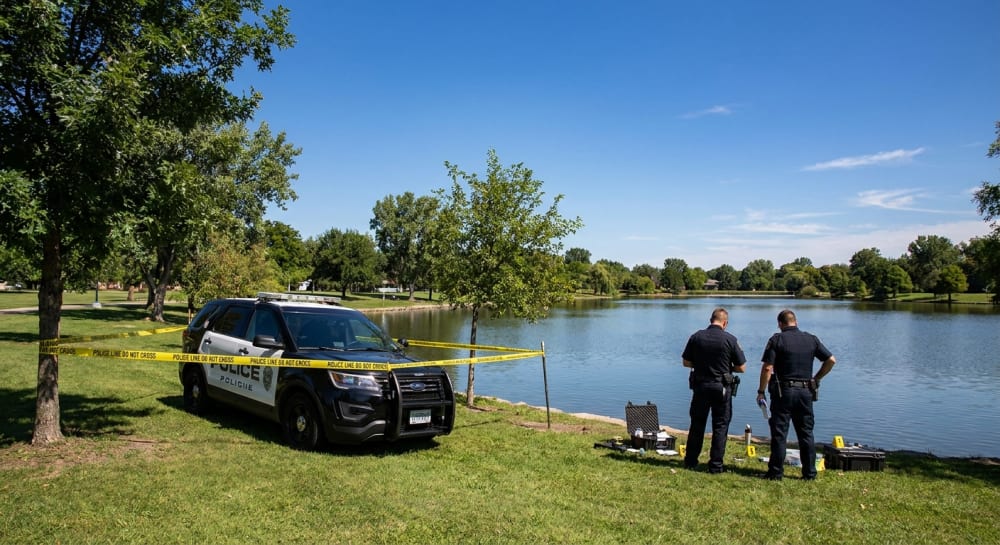
While the ALA regulations have successfully cleared out many derelict vessels from the inlet, the policy has inadvertently displaced boaters, pushing them into adjacent areas like Wildcat Cove. FWC spokesperson Melissa Brevik confirmed that officers are actively monitoring the new anchorage, issuing citations, and contacting the owners of at-risk vessels to ensure they are brought into compliance.
FWC officers are aware of the recent influx of at-risk and derelict vessels to the area near Wildcat Cove in St. Lucie County. Enforcement action in surrounding counties and new anchoring requirements within the county appear to be contributing factors.
For local boaters and live-aboard residents, these regulatory shifts present a significant lifestyle and financial challenge. Hutchinson Island resident Blades Robinson noted that Wildcat Cove has historically served as a crucial safe harbor before hurricanes and severe tropical storms. The cove offers natural protection from harsh winds and currents without the danger of boats pounding against concrete seawalls or docks. Furthermore, as Treasure Coast real estate and marina slips become increasingly expensive, live-aboard boaters are finding themselves priced out of traditional housing options, leaving them with few places to drop anchor legally.
To solve the ongoing displacement issue, some marine advocates have suggested establishing a managed mooring field as a sustainable compromise. A managed mooring field is a legally defined area, established by local ordinance, where boaters are assigned a specific mooring buoy attached to permanent anchors. This system provides an organized way to protect both the vessels and the local marine environment, ensuring proper sewage pump-outs and secure ground tackle that won’t drag in heavy waves. Despite the potential benefits for the local boating community, Fort Pierce city spokesperson Kaitlyn Ballard stated that the city is not currently considering the creation of a managed mooring field near Wildcat Cove, leaving the future uncertain for many displaced Treasure Coast boaters.