

The future of Fort Pierce’s waterfront remains a heated topic for Treasure Coast residents and real estate watchers alike. A year after a contentious legal battle erupted over the Fisherman’s Wharf development, newly released environmental testing by the state is shedding light on one of the dispute’s most pressing questions: is the land actually contaminated?
Developer Chris Shelli purchased approximately 3.2 acres around Fisherman’s Wharf with plans to transform the area into a premier waterfront destination. However, the deal hit a major snag when it was discovered that roughly half of the property was subject to a state right-of-reverter restriction. When Shelli sued the city of Fort Pierce for breach of contract, the city’s legal team countered that the property was likely contaminated. They argued that the high cost of environmental remediation would effectively erase any financial damages Shelli was claiming.
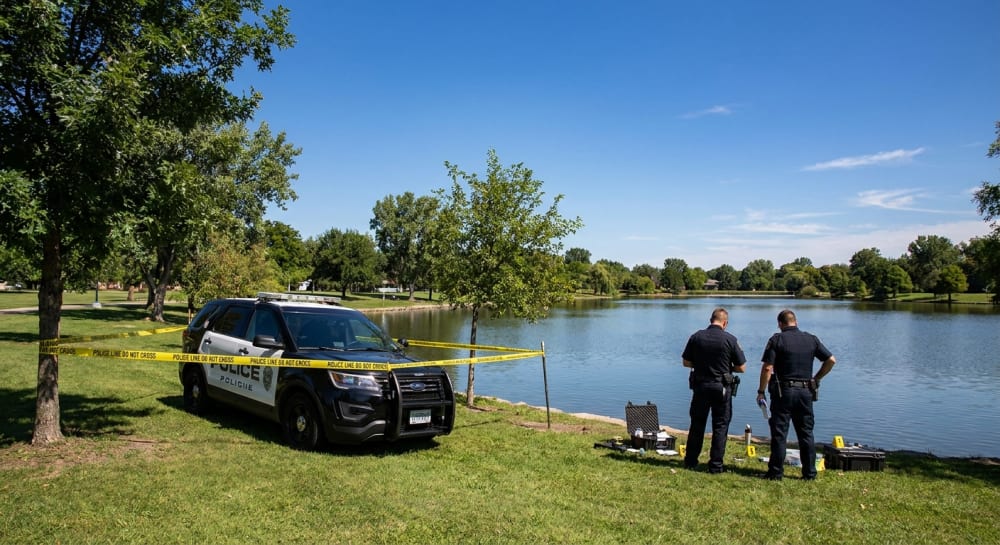
Now, the Florida Department of Environmental Protection (FDEP) has completed its site assessment, and the results present a nuanced picture. According to the state’s findings, arsenic was detected above residential cleanup targets in two soil samples on the city-owned land sold to Shelli. However, both samples were less than twice the residential limit.
“Personally, there’s not really much in the report that alarmed me. I think the findings are consistent with the past industrial uses of the site.”
This assessment comes from Jordon Beckler, an associate research professor at Florida Atlantic University’s Harbor Branch Oceanographic Institute, who reviewed the findings. Beckler noted that environmental cleanup standards are intentionally conservative and that naturally occurring arsenic is frequently present in Florida soils.
The FDEP investigation did find more significant environmental concerns on an adjacent piece of land. Property immediately to the north, previously a citrus packing house and designated as a brownfield site by St. Lucie County, revealed an arsenic concentration roughly 148 times Florida’s residential cleanup target. While FDEP identified remediation plans for five parcels associated with the former packing house, no such mandate was issued for the waterfront development property sold to Shelli.
This distinction is crucial for the ongoing lawsuit. Government law attorney Glen Torcivia noted that the legal fight will likely pivot to what the city knew prior to the sale and whether the developer conducted adequate due diligence before the purchase. The financial stakes for Fort Pierce taxpayers are substantial. Key details regarding the litigation include:
- In March, city commissioners were presented with a $6 million settlement offer from the developer.
- The city took no action on the proposal, which was subsequently deemed rejected.
- If the developer eventually recovers at least $7.5 million in court, the city could potentially be held liable for hefty attorney’s fees and expenses under Florida’s proposal-for-settlement rules.
The ripple effects of the lawsuit are already being felt by neighboring Treasure Coast business owners. Mike Jenkins, whose family has owned the property beneath the popular local restaurant 12A Buoy for decades, expressed dismay over the city’s legal strategy. He fears that labeling the Fisherman’s Wharf area as contaminated could unjustly damage the reputations and property values of long-standing local businesses.
While the FDEP testing confirms that higher levels of arsenic are present in the broader industrial area, experts suggest the specific waterfront parcel is not necessarily unsafe for recreational use. As the multimillion-dollar legal battle marches forward, the Treasure Coast community continues to watch closely, waiting to see how this dispute will ultimately shape the future of Fort Pierce’s historic waterfront.