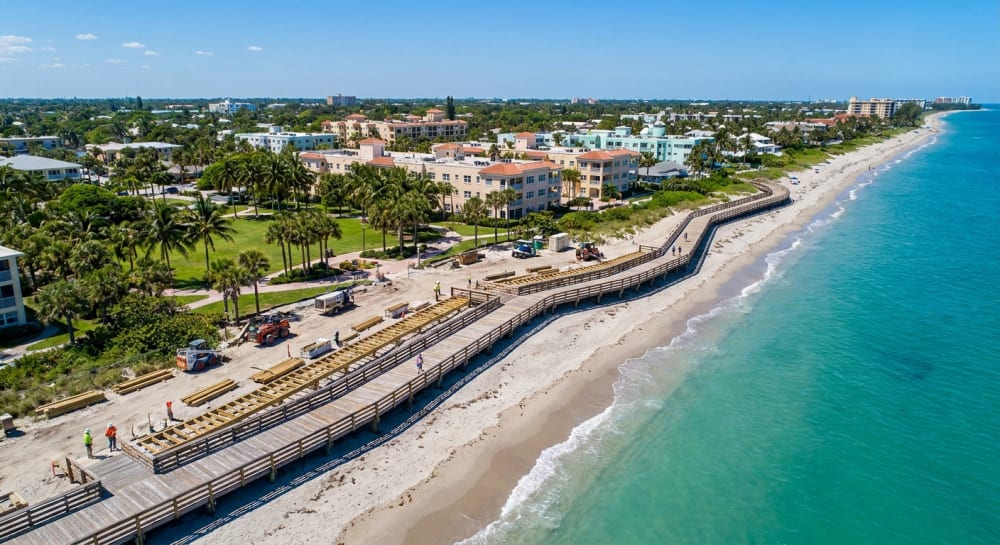


The region known as Florida’s Treasure Coast earned its world-famous moniker for a very literal reason: centuries-old Spanish gold and silver coins routinely washing up on its pristine shores. At the heart of this rich, swashbuckling history is Vero Beach and the surrounding Indian River County, which served as the backdrop for some of the most spectacular maritime discoveries of the 20th century. Today, the legacy of these historic finds is being kept alive by a new generation of explorers operating right out of Sebastian, Florida.
Legendary treasure hunter Mel Fisher cemented his name in the history books starting right off the coast of Vero Beach. It was here that Fisher and his dedicated crew unearthed over 1,000 shimmering gold coins from the sunken 1715 Spanish Treasure Fleet. Because gold is a noble metal that does not tarnish in saltwater, the coins emerged from the ocean floor just as brilliant as the day they sank hundreds of years ago.
During the 17th and 18th centuries, Spanish galleons routinely navigated the waters along Florida’s eastern seaboard. These massive fleets were tasked with a threefold royal mission:
- Extracting Wealth: Transporting immense quantities of gold, silver, and precious gems from the New World back to Spain to finance European wars and settle debts.
- Spreading Religion: Promoting Catholicism across newly claimed lands.
- Expanding the Empire: Conquering new territories for the Spanish Crown.
This overarching mission, driven by a pursuit of “God, Glory, and Gold,” frequently met disastrous ends in the unpredictable, hurricane-prone waters of the Florida coast, transforming the local seabed into a literal goldmine.
While his early success in Vero Beach put Fisher on the map, his dogged pursuit of the 1622 shipwreck of the Nuestra Señora de Atocha off the Florida Keys became his magnum opus. The hunt required unyielding optimism and resulted in devastating personal sacrifice. In 1975, the crew’s salvage vessel capsized, resulting in the tragic loss of three lives, including Fisher’s eldest son, Dirk. Despite this heartbreaking setback, Fisher pushed forward to honor his son’s memory, eventually discovering the ship’s main treasure pile exactly ten years after his greatest loss—a haul of gold, silver, and emeralds estimated at up to $450 million. His remarkable discoveries were even featured to a national audience on The Tonight Show.
Florida’s Treasure Coast owes its legendary status to the 1715 Spanish Treasure Fleet and pioneers like Mel Fisher, who helped transform the waters of Vero Beach and Sebastian into the epicenter of maritime salvage. Today, his family continues the painstaking work of uncovering history beneath the waves.
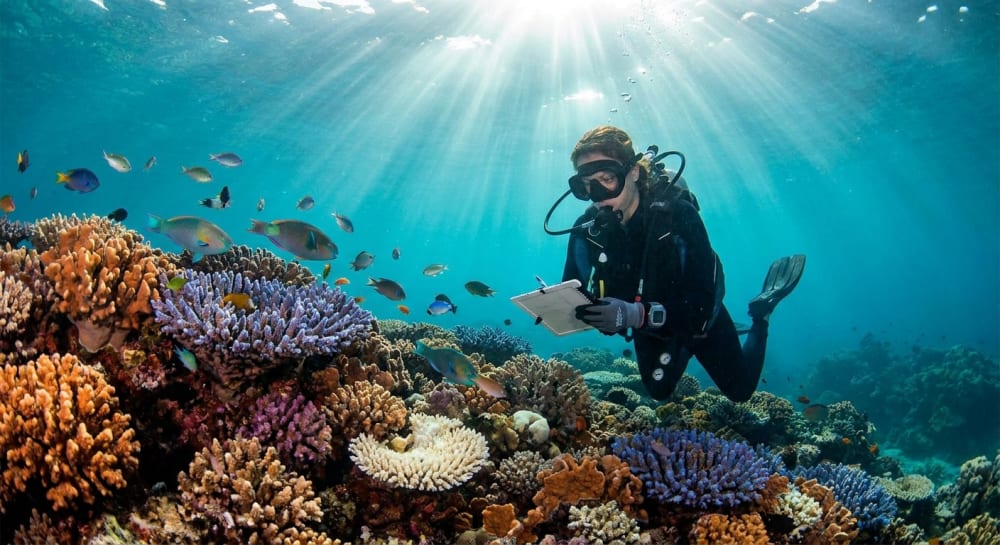
The Fisher family’s quest is far from over. Melvin Fisher-Abt, born in 1997 shortly before his grandfather’s passing, now carries the namesake and the heavy mantle of the family legacy. Operating locally on the Treasure Coast, Fisher-Abt and his crew continue to dive the historic wreck sites. Recent efforts have yielded intricate religious artifacts and historical relics that remain impeccably preserved deep in the ocean mud.
According to current estimates and meticulous historical research, the ocean has not yet surrendered all its secrets. Modern salvage teams believe there could be upwards of 20 tons of silver still waiting at the end of the rainbow, ensuring that the captivating maritime legacy of Vero Beach