

The concept of “free” parking has long been a staple of the Florida lifestyle, but municipalities across the Treasure Coast—including Vero Beach and surrounding areas—are beginning to reevaluate the true cost of these complimentary spaces. Economists and urban planners argue that while free parking offers undeniable convenience for residents heading to the beach or the local airport, the hidden economic and spatial costs borne by local governments and businesses are substantial.
Several key locations across the Treasure Coast are actively navigating this debate, with significant policy changes already underway or under consideration:
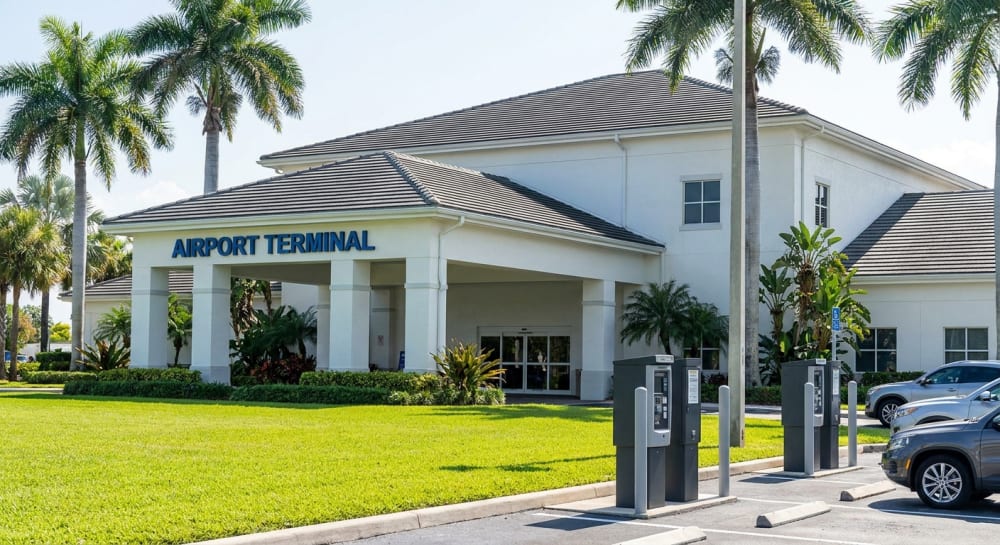
- Vero Beach Regional Airport: In a major local shift, the airport is transitioning its existing free public parking lots into paid parking facilities. Local officials project this strategic move will generate approximately $423,000 in annual revenue.
- Fort Pierce Beaches: Paid parking systems were initially approved for popular coastal spots in neighboring St. Lucie County, including Jaycee, Jetty, and South Causeway parks. However, the city recently discontinued its contract with parking-enforcement contractor PCI after determining the program would not generate sufficient revenue. City representatives noted that while the current plan was halted, the concept of paid beach parking has not been entirely eliminated and may be revisited in the future to support infrastructure and maintenance.
- Downtown Stuart: A proposed Brightline station planned for county-owned land has sparked local concerns over a potential parking deficiency. An analysis revealed that if Martin County designates all 169 spaces in the nearby courthouse lot for Brightline commuters, the courthouse could face a shortage of 53 essential parking spaces.
According to recent studies, including research from the UCLA Institute of Transportation Studies, excessive parking requirements can stifle sustainable development and inflate local real estate costs. When local planning codes force businesses to provide a minimum number of parking spaces, those high construction costs are ultimately passed on to consumers. Furthermore, expansive surface lots can degrade urban design and limit a community’s walkability.
Advocacy groups like the Parking Reform Network point out that paving and maintaining a single parking spot typically costs between $30,000 and $70,000. When these spaces are offered for “free,” the financial burden is often distributed across the entire community or customer base, regardless of whether an individual actually utilizes the parking.
While complimentary parking remains a convenient perk for Treasure Coast residents, the hidden economic and spatial costs are prompting local governments, including the Vero Beach Regional Airport, to shift toward paid models designed to fund essential infrastructure, encourage space turnover, and improve long-term community sustainability.